Research Online, Buy in Person: Why Do I Keep Doing That?
If you’ve ever found yourself browsing product reviews, comparing prices, and checking store locations—all on your phone or laptop—only to head out and make the purchase in a physical shop, welcome to the world of webrooming. This behaviour, often called hybrid shopping, blurs the line between online and offline retail, and it's incredibly common in the UK and beyond.
In this blog post, we'll unpack the reasons behind this research-first, in-store purchase trend, especially when it comes to complex buys like vehicle servicing. We'll look at how always-on access to information and tools like comparison websites and map applications influence these shopping journeys. Plus, we’ll offer insights on why, despite the boom in online retail's share, many consumers still prefer to seal the deal in person.
What Is Webrooming?
Webrooming describes the habit of researching products or services online but making the actual purchase offline—in a physical store or service centre. It's essentially the opposite of showrooming, where shoppers check out a product in person but then buy online.
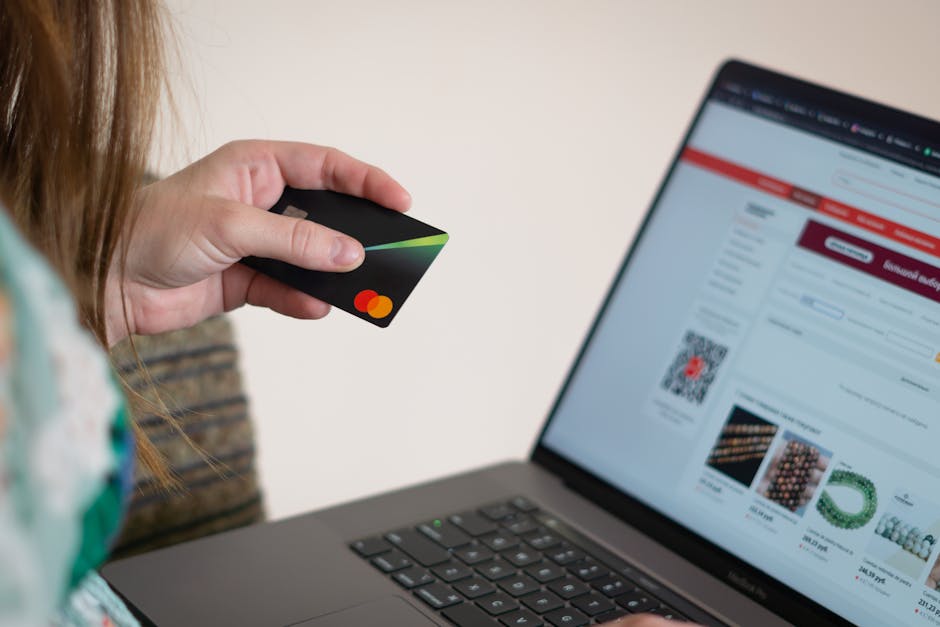
This mixed approach to shopping is a form of hybrid shopping. It's very practical, allowing shoppers to combine the strengths of both channels:
- Online for instant, anytime access to detailed information, reviews, and price comparisons.
- In-store for hands-on inspection, immediate possession, expert advice, and human interaction.
Despite the surge in online retail—especially after the pandemic—webrooming remains popular for certain categories.
Why We Keep Researching Online but Buying in Person
1. Always-On Access and Instant Lookup
Our smartphones mean we carry a mini knowledge hub everywhere we go. When considering a service like vehicle maintenance, for example, you can instantly look up pricing, read customer feedback, or verify promotions via comparison sites. These sites bundle verified details about local garages’ offerings, services, customer ratings, and sometimes even prices.
This ready availability of information helps reduce uncertainty before visiting a garage or car servicing centre. You already know who offers the best value for your specific needs, enabling informed conversations with mechanics or salespeople when you get there.
2. Map Applications to Verify Locations and Convenience
Once you’ve identified a place for your purchase, the next critical step is getting there. That’s where map apps like Google Maps or Apple Maps come in. They help you verify the exact location, find the shortest route, check store opening times, or scout nearby amenities like parking.
Maps reduce the friction of last-minute excuses ("I didn’t know exactly where it was"), making it easier to follow through on your in-person visit. It also helps compare locations for convenience, so the process stays efficient.
3. Comparing Prices and Services Made Easy
For services like vehicle maintenance, comparison websites collapse what used to be an agonising process into something much simpler:
- Compare quotes from multiple service providers in minutes.
- Check detailed service descriptions to avoid hidden fees.
- Read unbiased reviews from previous customers.
This transparency supports trust, which is especially important for technical or costly purchases where face-to-face reassurance still matters.
4. Online Retail Share Is Stabilising Post-Pandemic
The pandemic pushed online sales to unprecedented highs. But data from the Office for National Statistics shows that in the UK, online retail share has started to settle after the initial surge. For many product categories—particularly services and appliances—people are returning to or maintaining in-store purchases.
Why? Because online shopping sometimes limits the sensory experience, immediate ownership, and face-to-face advice that come with physical stores. Many brands and retailers have adjusted to this hybrid reality, making their online channels primarily research tools rather than sales channels in isolation.

5. The Research-First Purchase Journey
The classic "look then buy" approach has evolved to "research first, buy in store." This journey tends to involve these steps:
- Online research via brand websites, third-party reviews, and comparison sites.
- Use of digital map apps to find convenient stores or service centres.
- Physically visiting the chosen location, verifying service quality in person.
- Making the purchase or booking the service with a sense of confidence.
This outlook leverages the best of both worlds. It also shows how digital tools aren’t replacing physical retail but enhancing it.
Case Example: Choosing a Vehicle Service
Imagine you need to get your car serviced. You might:
- Start on a vehicle servicing comparison website to check prices and packages offered by nearby garages.
- Read reviews to see which garages consistently satisfy customers.
- Open your map app to locate the top-rated garages and check how easy it is to get there.
- Call the garage to ask questions and book an appointment.
- Visit the garage and hand over your keys, reassured by your prior research.
This process is way smoother than relying on word-of-mouth or just walking into the first garage nearby. The comparison sites and GPS verification collapse many tiny frictions that might otherwise prevent follow-through.
Tiny Frictions That Kill Switching
Speaking of friction, here’s a quick list of "tiny frictions" that stop https://britainreviews.co.uk/blog/online-access-changing-consumer-habits people from switching to pure online buying or purely in-store research:
- Distrust of online-only providers for complex or costly services.
- Fear of hidden charges not shown clearly online.
- Uncertainty about the legitimacy or quality of online reviews.
- Inconvenience or lack of confidence navigating physical store locations.
- Desire for immediate expert advice before purchase.
Luckily, online tools are steadily solving many of these issues. For example, verified reviews and transparent pricing on comparison sites build trust, while map apps reduce location uncertainty.
Final Thoughts: It’s Not Online vs Offline—It’s Both
Instead of seeing the retail landscape as a battle between online and offline channels, it’s more useful to understand how people blend them. Hybrid shopping and webrooming represent the evolving reality consumers face. They want access to rich information whenever they need it, combined with the confidence and tangibility of an in-store experience.
As retailers and service providers, recognising this journey—embracing instant lookups, transparent comparisons, and easy-to-find physical locations—is the key to meeting customers where they are.
So next time you research online but buy in person, you’re not alone. You’re simply engaging in smarter, more informed shopping.